HousingWeaver
FeaturesCase StudiesPlansBlog

From the Team

Blog

HMDAAffordabilityGentrificationMarket Data

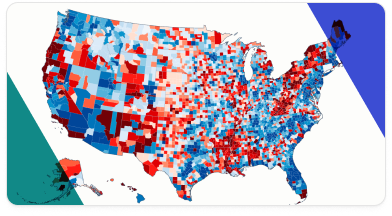
Exploring the Buyer-to-Resident Income Gap

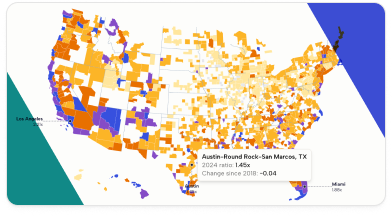
The typical American homebuyer now earns 42 percent more than the median resident in the neighborhood they buy in, according to the 2025 Home Mortgage Disclosure Act (HMDA) release. The ratio has moved from 1.39 in 2018 to 1.42 in 2025 and is now plateauing near the top of the range after peaking in 2024.

Dan Miller·September 3, 2026·8 min read
Exploring the Buyer-to-Resident Income Gap
Faith-Based LandAffordable HousingWashington

King County Is Unlocking Religious Sites for Affordable Housing

Hundreds of acres of faith-owned land sit ready for affordable housing on Seattle's Eastside. HR&A partnered with Imagine Housing to map every faith-owned parcel across the region, model development potential, and identify the regulatory and financial barriers that a new state law, House Bill 1859, now removes.

King County Is Unlocking Religious Sites for Affordable Housing
Production TargetsBuilding PermitsMaine

Building a Baseline: What Maine's First Year of Housing Production Data Tells Us

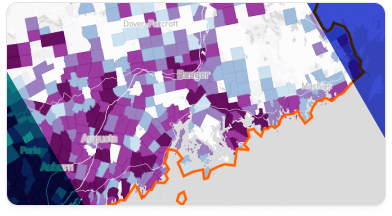
For the first time, Maine has a statewide system to track how much housing is being permitted, what types, and where. Explore what the first year of permit data reveals and how HousingWeaver is helping Maine measure progress toward its housing production goals.

Building a Baseline: What Maine's First Year of Housing Production Data Tells Us
Market DataSupplyNew Construction

A Post-Pandemic Paradox: New Homes, Lower Prices

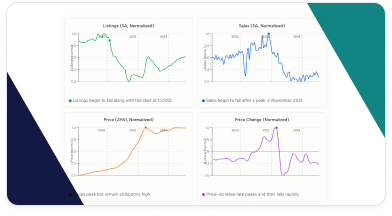
New homes in Wake County are selling at a 12% discount compared to existing homes, defying conventional wisdom. HousingWeaver digs into the data behind this post-pandemic paradox to unpack three forces shaping who can build, where, and at what price point.

A Post-Pandemic Paradox: New Homes, Lower Prices
AffordabilityNOAHSunbelt

Sunbelt Cities Are Losing Their Affordability Advantage

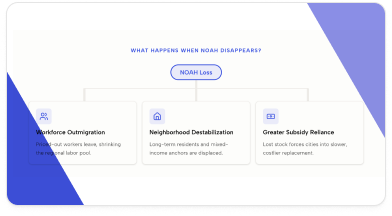
NOAH is the largest source of affordable housing in the United States, and the most vulnerable. We compare three Sunbelt cities — Houston, Atlanta, and Phoenix — with three northern peers — Chicago, Philadelphia, and Boston — plus mid-sized markets Charlotte, Richmond, and Stamford to show how rapidly the Sunbelt's NOAH-driven affordability advantage is eroding.

Sunbelt Cities Are Losing Their Affordability Advantage
MigrationPopulationMarket Data

Where Americans Are Moving: Exploring Annual Population Change

New Census data reveals that 80% of U.S. counties saw population decline or slower growth in 2024–2025, driven by a historic drop in international migration and persistent housing unaffordability. Explore what's happening in Los Angeles, Texas's booming suburbs, and Florida's split between Central growth and South Florida retreat.

Where Americans Are Moving: Exploring Annual Population Change
HousingWeaver

Housing analytics for government agencies and housing professionals.

HR&A Advisors

Product

  • Features
  • Plans
  • Housing Assessments
  • Live Demo

Questions

  • Housing Shortage
  • Who’s Being Priced Out
  • Building Enough
  • Policy Impact

Company

  • About HR&A
  • Contact
  • Privacy Policy
  • Terms of Service

© 2026HousingWeaver by HR&A Advisors. All rights reserved.

Sign InGet Started